November 2, 2026
Single Origins: Guatemala and Kenya
There is a discipline in knowing where a thing comes from. A Roman road was not laid at random, nor was a harvest gathered without regard for the field that bore it. Place shaped what was made. So it is with coffee. To understand a single origin coffee, one need only ask a single, plain question: where is this from?
A single origin coffee comes from one place. That is the whole definition, and its simplicity is its strength. It is not a mixture assembled from many sources. It stands on its own, and it asks to be judged on its own terms.
This is best understood beside its counterpart, the blend. A blend combines beans from more than one place, aiming for a cup that remains steady and balanced, each part supporting the others. A single origin pursues a different end: rather than smoothing many sources into one accord, it allows one place to speak for itself.
The word "place" may carry different degrees of precision: a country, a region within a country, or one farm, or a small company of farms laboring together. The home brewer need not master geography to profit from the idea. It is enough to grasp the principle: coffee grows in different places, and different places lend coffee a different character. Soil, weather, growing height, and the manner of growing and gathering all differ — and all of this appears, in a general way, in the cup.
It does not follow that every coffee from one place tastes alike, for farms differ, harvests differ, and roasts differ. Origin supplies a starting character, before the roaster and the brewer take up their work. It is a foundation, not a verdict. Nor is origin a ranking. One origin is not superior to another merely because of its position on a map. Origin is a beginning, not a score.
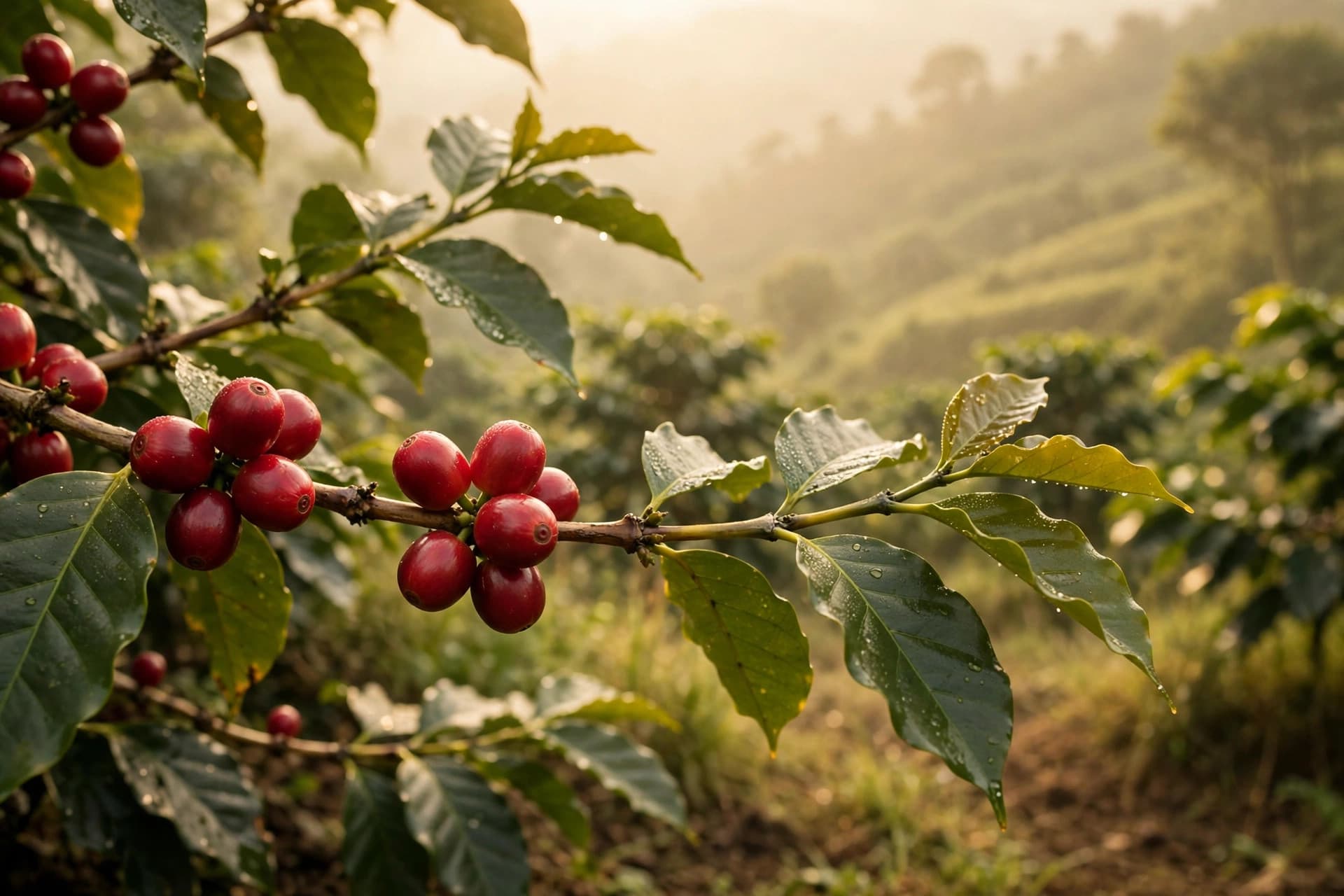
Consider the matter in three parts, as a craftsman might divide his labor. Origin sets the character. Roast shapes it. Brew brings it out. If any one of these labors falters, the fault will be tasted, however fine the origin may be. This is the central counsel of this essay, and it ought to be held firmly: origin changes character; roast and brew still decide the cup.
Two coffees from Holy Roastin' Empire illustrate the point with welcome clarity. The first is Caesar's Laurel, the Guatemalan single origin. Its character word is smooth. Smooth does not signify weakness, nor dullness. It signifies a cup that feels easy and settled in the drinking, comfortable and steady from the first sip to the last.
The second is Rubicon, the Kenyan single origin. Its character word is bold. Bold does not signify harshness, nor bitterness. It signifies a cup that stands forth and makes itself known, possessing presence. One notices it at once.
For those who wish to compare the two, the method is simple, and simplicity here is a form of rigor. Brew both in the same manner, on different days, or in two small cups on the same morning. Use the same brewer, the same grind suited to that brewer, and the same ratio already favored. If everything changes at once, no one can say what made the difference. Keep the brewing method steady, while remembering that these coffees differ in both origin and roast.
Then ask three plain questions. First, is the aroma pleasing? Second, does the cup feel smooth and easy, or bold and full of presence, or somewhere between? Third, does the flavor remain pleasant after swallowing, or does it turn harsh? No long catalogue of flavors is required. Smooth or bold is sufficient to begin.
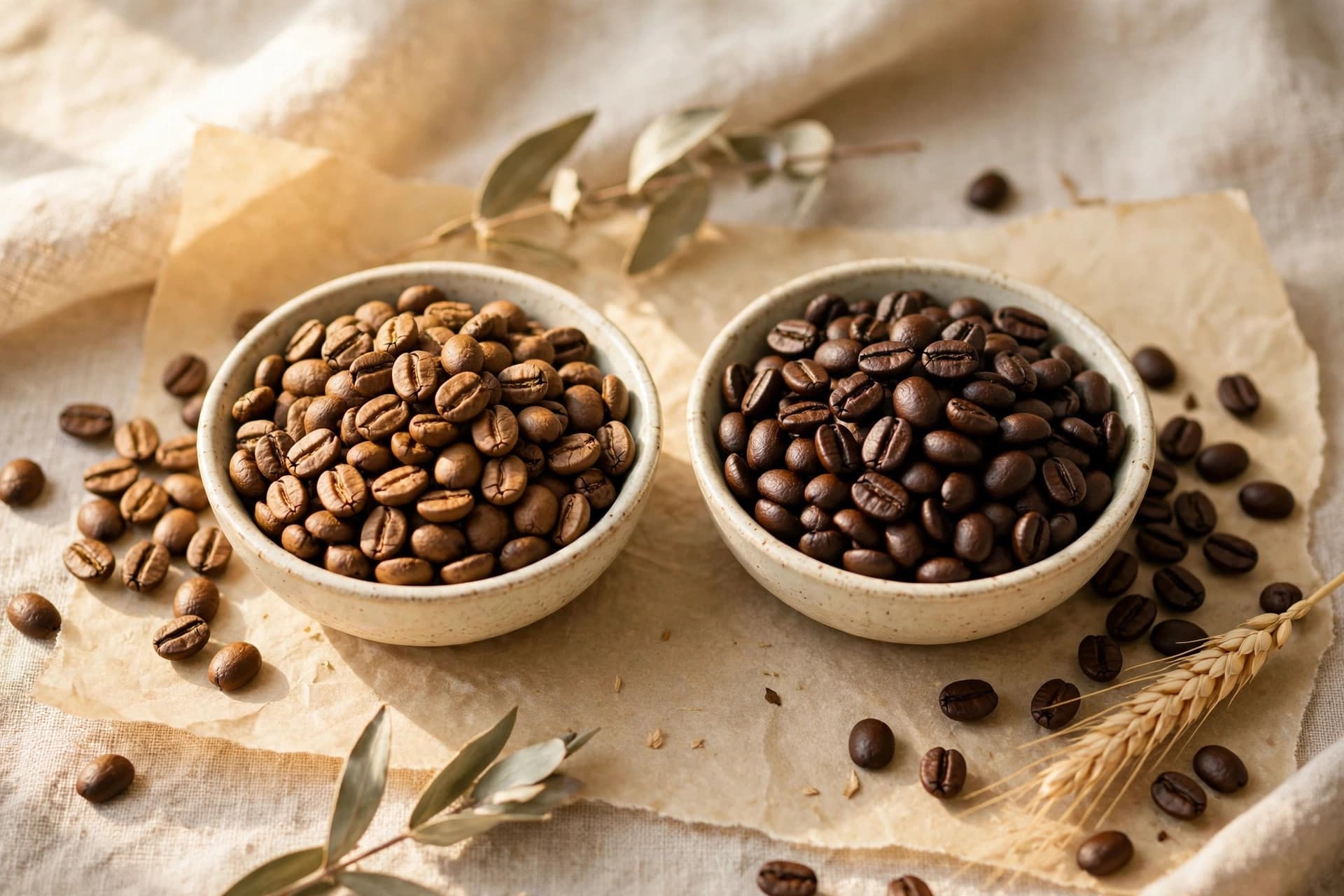
The same household disciplines that govern all good coffee govern single origins as well. Freshness stands first. At Holy Roastin' Empire, every bag is roasted fresh to order, because a fresh roast allows the character of the origin to come through clearly. Buy whole bean when possible, in quantities to be finished within a couple of weeks, and keep it in an airtight container in a cool, dark place. Grind just before brewing, match the grind to the brewer — coarse for a French press, medium for a drip machine, medium fine for a pour over — and use water just below boiling.
If the cup still falters, return to two plain diagnostic words. Sour, sharp, or thin often indicates under-extraction, meaning the water has drawn too little; a finer grind, hotter water, or a longer brew time may remedy it. Bitter, dry, or harsh often indicates over-extraction, meaning the water has drawn too much; a coarser grind, slightly cooler water, or a shorter brew time may remedy it. Change one thing at a time, taste the change, and then decide the next step.
To recapitulate: a single origin comes from one place; a blend comes from more than one. Caesar's Laurel is the Guatemalan single origin, and its character is smooth. Rubicon is the Kenyan single origin, and its character is bold. Brew them as you already brew, notice which character you enjoy, and trust what you taste. Origin changes character. Roast and brew still decide the cup.
The coffees in this note
Caesar's Laurel — Guatemala — medium
Rubicon — Kenya — medium-dark